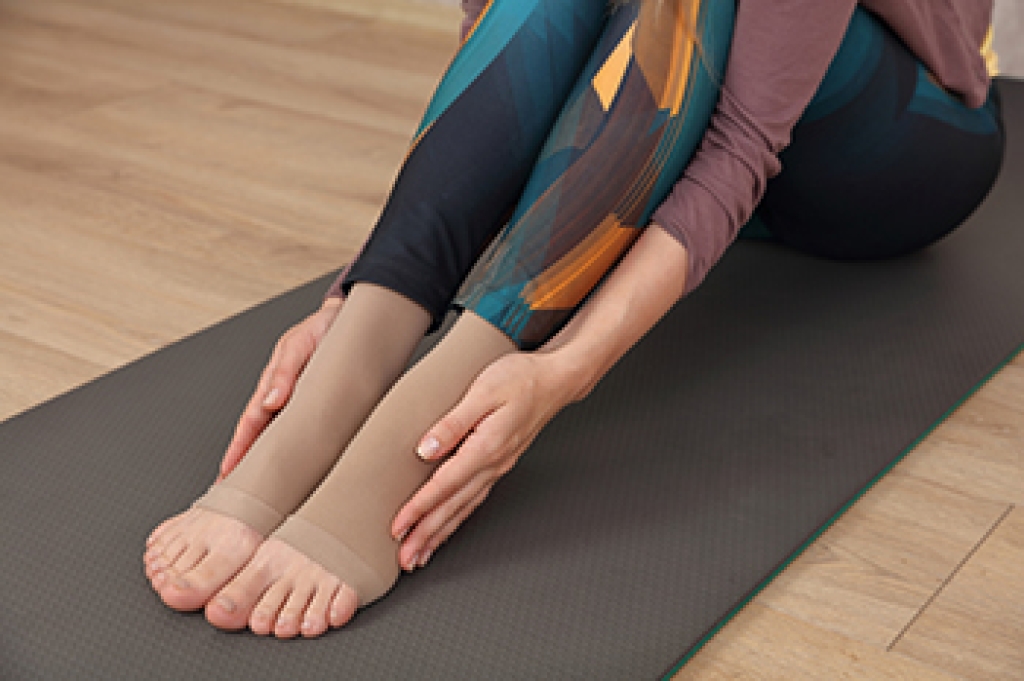
How Foot Health Reduces the Risk of Falls

Falls can have a major impact on health, especially for older adults. A fall can lead to broken bones, reduced mobility, and a loss of confidence while walking. Many falls are linked to foot pain, poor balance, or changes in the way a person walks. Arthritis, reduced feeling in the feet, and foot deformities can make it harder to stay steady on uneven surfaces. Wearing shoes that fit properly and provide good support also plays an important role in maintaining balance. Shoes that are too loose or shoes that lack proper support can increase the risk of losing footing. Painful conditions like bunions, hammertoes, and heel pain also can change walking patterns and increase the chance of a fall.

A podiatrist can identify foot problems that affect balance before they lead to a serious injury. The examination includes checking foot structure, joint movement, and circulation. The podiatrist also evaluates the way the patient stands and walks because changes in gait can affect stability. Gait is the body's walking pattern. The evaluation also looks for reduced feeling in the feet, painful calluses, and other conditions that interfere with safe movement. Early diagnosis allows treatment to begin before foot problems become more severe. Regular foot examinations are especially important for older adults because age-related changes can increase the risk of falls.

Professional foot care helps improve comfort, stability, and confidence while walking. A podiatrist can recommend custom orthotics to improve foot alignment and distribute pressure more evenly across the feet. Care also includes treatment for bunions, fungal nail infections, and ingrown toenails that affect balance and mobility. The podiatrist can recommend shoes that fit properly and provide good support for everyday activities. Routine follow-up visits help monitor changes in foot health and reduce the risk of falls caused by painful foot conditions. If you have symptoms of foot pain, balance problems, or other foot conditions that increase your risk of falls, it is suggested that you schedule an appointment with a podiatrist for diagnosis and treatment.

Preventing falls among the elderly is very important. If you are older and have fallen or fear that you are prone to falling, consult with Vrunda Dalal, DPM from Sole Focus Foot and Ankle. our doctor will assess your condition and provide you with quality advice and care.

Every 11 seconds, an elderly American is being treated in an emergency room for a fall related injury. Falls are the leading cause of head and hip injuries for those 65 and older. Due to decreases in strength, balance, senses, and lack of awareness, elderly persons are very susceptible to falling. Thankfully, there are a number of things older persons can do to prevent falls.

How to Prevent Falls

Some effective methods that older persons can do to prevent falls include:

  • Enrolling in strength and balance exercise program to increase balance and strength
  • Periodically having your sight and hearing checked
  • Discuss any medications you have with a doctor to see if it increases the risk of falling
  • Clearing the house of falling hazards and installing devices like grab bars and railings
  • Utilizing a walker or cane
  • Wearing shoes that provide good support and cushioning
  • Talking to family members about falling and increasing awareness

Falling can be a traumatic and embarrassing experience for elderly persons; this can make them less willing to leave the house, and less willing to talk to someone about their fears of falling. Doing such things, however, will increase the likelihood of tripping or losing one’s balance. Knowing the causes of falling and how to prevent them is the best way to mitigate the risk of serious injury.  

If you have any questions, please feel free to contact our office located in Marlton, NJ . We offer the newest diagnostic and treatment technologies for all your foot care needs.

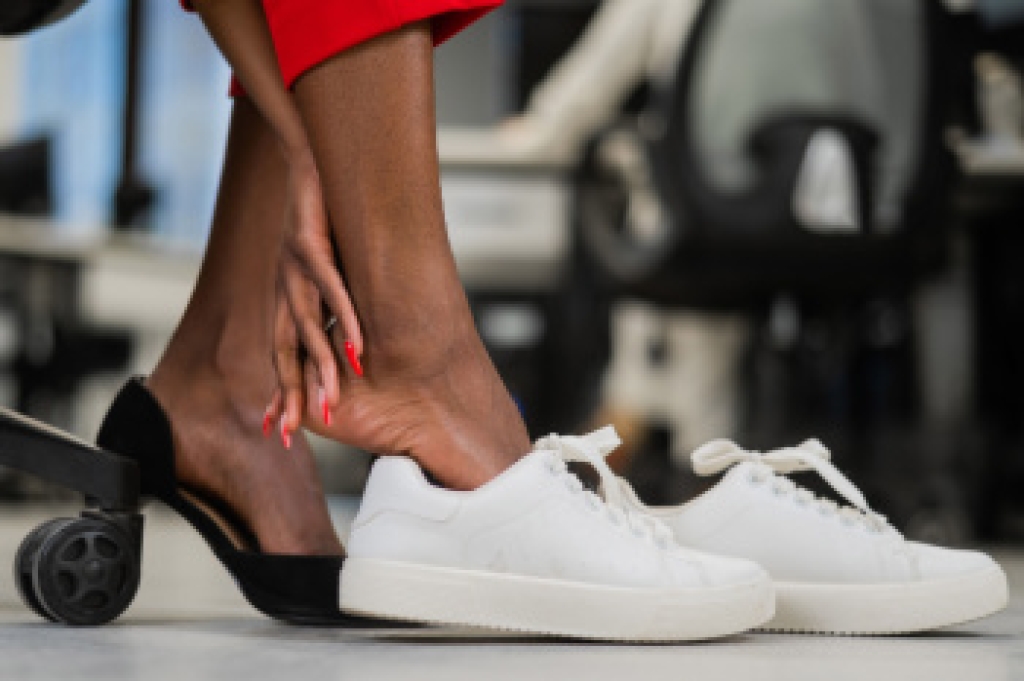
Read more about Falls Prevention

Recognizing Toenail Fungus and Its Early Warning Signs

Toenail fungus, medically known as onychomycosis, is a common condition that affects the nails of the feet. It occurs when fungi invade the nail bed, leading to changes in the appearance and structure of the nail. This condition often develops slowly and may begin as a small spot under the nail. It can spread and affect the entire nail, if left untreated. Understanding the definition of toenail fungus is important for recognizing early symptoms and preventing further progression.


Symptoms of toenail fungus can vary but often include nail thickening, discoloration, and crumbling edges. The nail may appear yellow, brown, or white and can become brittle and difficult to trim. In some cases, the nail may lift from the nail bed or develop an irregular shape. These changes may also be accompanied by mild discomfort or an unpleasant odor. Recognizing these symptoms early can help guide timely care and reduce the risk of complications.


The causes of toenail fungus are often linked to warm, moist environments that allow fungi to thrive. Conditions like athlete's foot can spread to the toenails and contribute to infection. Walking barefoot in public areas such as locker rooms or pools can increase exposure to fungal organisms. Risk factors include diabetes, poor circulation, and excessive sweating. Wearing tight or non breathable shoes also can contribute. These factors can create an environment that supports fungal growth and makes the nails more vulnerable.


Preventing toenail fungus involves maintaining proper foot hygiene, keeping nails clean and dry, and wearing well fitted, breathable footwear. Early attention to nail changes can prevent the condition from worsening and spreading. Addressing risk factors can also support healthier nails and overall foot health. If you notice symptoms of toenail fungus, it is suggested that you consult a podiatrist for effective relief and treatment solutions.

If left untreated, toenail fungus may spread to other toenails, skin, or even fingernails. If you suspect you have toenail fungus it is important to seek treatment right away. For more information about treatment, contact Vrunda Dalal, DPM of Sole Focus Foot and Ankle. our doctor can provide the care you need to keep you pain-free and on your feet.

Symptoms

  • Warped or oddly shaped nails
  • Yellowish nails
  • Loose/separated nail
  • Buildup of bits and pieces of nail fragments under the nail
  • Brittle, broken, thickened nail

Treatment

If self-care strategies and over-the-counter medications does not help your fungus, your podiatrist may give you a prescription drug instead. Even if you find relief from your toenail fungus symptoms, you may experience a repeat infection in the future.

Prevention

In order to prevent getting toenail fungus in the future, you should always make sure to wash your feet with soap and water. After washing, it is important to dry your feet thoroughly especially in between the toes. When trimming your toenails, be sure to trim straight across instead of in a rounded shape. It is crucial not to cover up discolored nails with nail polish because that will prevent your nail from being able to “breathe”.

In some cases, surgical procedure may be needed to remove the toenail fungus. Consult with your podiatrist about the best treatment options for your case of toenail fungus.  

If you have any questions please contact our office located in Marlton, NJ . We offer the newest diagnostic and treatment technologies for all your foot and ankle needs.

Read more about Toenail Fungus

Foot Problems Caused by Flat Feet

Flat feet, also called fallen arches, have little or no visible arch when standing. The entire sole touches more of the ground, changing how weight moves through the foot. Some people are born with flat feet, while others develop them later in life. Children frequently appear flat-footed because soft tissue hides the arch, which becomes more noticeable as they grow. Adults, however, can develop flatter feet after injury, aging, and weight gain. Conditions affecting muscles and tendons can also be factors. Some patients have no symptoms, but others notice discomfort, poor balance, or tired feet.

Flat feet can place extra stress on the ankles, knees, and lower back. The feet also roll inward more than normal while walking, which changes body alignment and increases strain. This motion can cause faster shoe wear and make daily activities less comfortable. Pain sometimes develops in the heel, arch, or ankle. Swelling can also appear after long periods of standing. A podiatrist examines the feet and watches how you move. Imaging studies may help confirm the cause of symptoms. Treatment includes custom orthotics that fit inside your shoes and improve foot support. A podiatrist often recommends shoes that provide proper support and fit correctly. Surgery may be needed to correct structural problems that cannot be managed with other treatments.

Early evaluation helps prevent ongoing pain and supports better movement. Prompt care also reduces stress on nearby joints and helps patients remain active. Ignoring persistent symptoms allows problems to become harder to manage. A podiatrist monitors changes, answers questions, and recommends treatment based on your foot structure and daily activities. Regular follow-up visits help measure progress and adjust treatment when appropriate. Healthy foot alignment improves comfort and confidence with every step. If you have foot pain related to flat feet, it is suggested that you schedule an appointment with a podiatrist for effective relief and management solutions.

Flatfoot is a condition many people suffer from. If you have flat feet, contact Vrunda Dalal, DPM from Sole Focus Foot and Ankle. our doctor will treat your foot and ankle needs.

What Are Flat Feet?

Flatfoot is a condition in which the arch of the foot is depressed and the sole of the foot is almost completely in contact with the ground. About 20-30% of the population generally has flat feet because their arches never formed during growth.

Conditions & Problems:

Having flat feet makes it difficult to run or walk because of the stress placed on the ankles.

Alignment – The general alignment of your legs can be disrupted, because the ankles move inward which can cause major discomfort.

Knees – If you have complications with your knees, flat feet can be a contributor to arthritis in that area.  

Symptoms

  • Pain around the heel or arch area
  • Trouble standing on the tip toe
  • Swelling around the inside of the ankle
  • Flat look to one or both feet
  • Having your shoes feel uneven when worn

Treatment

If you are experiencing pain and stress on the foot you may weaken the posterior tibial tendon, which runs around the inside of the ankle. 

If you have any questions, please feel free to contact our office located in Marlton, NJ . We offer the newest diagnostic and treatment technologies for all your foot care needs.
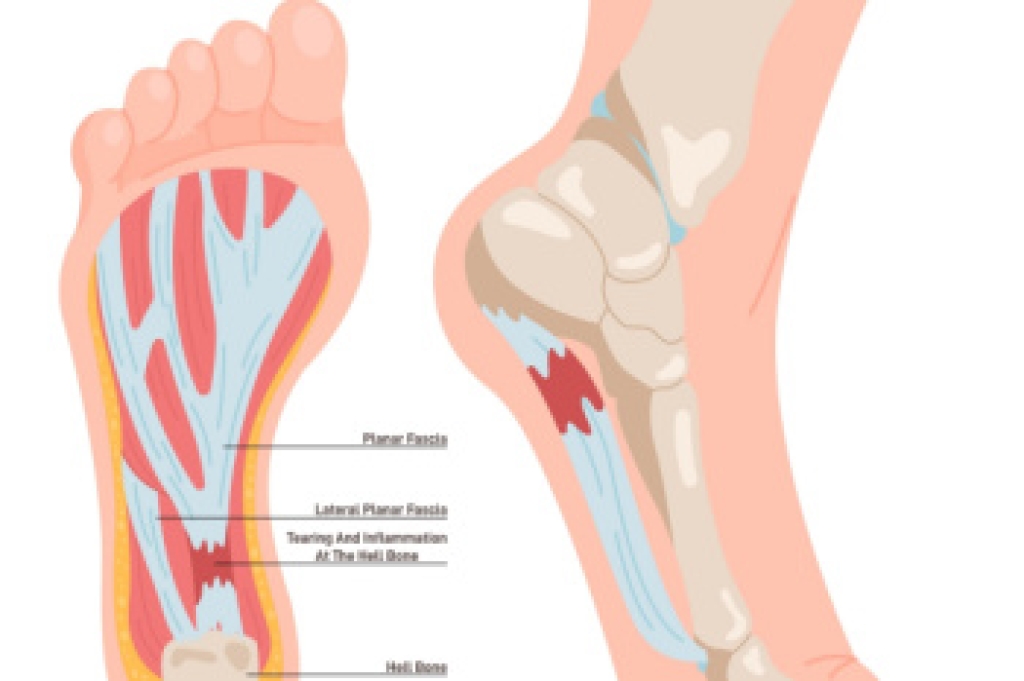
Read more about Flat Feet

Understanding In-Toeing and Out-Toeing in Children

In-toeing and out-toeing are common foot and lower-limb alignment conditions that affect the way a child’s feet point while walking or standing. In-toeing occurs when the feet turn inward, while out-toeing occurs when the feet point outward. These conditions are often noticed when children begin walking and may change as the bones and muscles develop. Understanding the definition and causes of in-toeing and out-toeing can help parents recognize normal development patterns and identify when professional evaluation may be needed.

Signs of in-toeing include toes pointing inward, frequent tripping, or an uneven walking pattern. Out-toeing may appear as feet turning outward while walking, standing, or running. Some children may have difficulty with balance or coordination, although many cases improve naturally with growth. Risk factors include family history, differences in bone development, muscle tightness, and positioning during early growth. The alignment of the hips, knees, and feet can all influence how a child walks and moves.


The causes of in-toeing and out-toeing vary depending on the child’s stage of development. In-toeing may result from curved foot structure, inward rotation of the shin bone, or inward positioning of the thigh bone. Out-toeing may develop from outward rotation of the hip, leg alignment differences, or foot positioning issues. These conditions are not always caused by footwear or walking habits, but certain structural factors can influence how the feet align.


Early observation and regular monitoring can help ensure healthy foot development. Supportive footwear, proper movement habits, and professional guidance may be recommended depending on the severity of the condition. Most children improve as they grow, but some cases may require treatment to support proper alignment and function. If your child shows signs of in-toeing or out-toeing, it is suggested that you consult a podiatrist for effective treatment and management solutions. 

The health of a child’s feet is vital to their overall well-being. If you have any questions regarding foot health, contact Vrunda Dalal, DPM of Sole Focus Foot and Ankle. our doctor can provide the care you need to keep you pain-free and on your feet.

Tips for Keeping Children's Feet Healthy

  • Make sure their shoes fit properly
  • Look for any signs of in-toeing or out-toeing
  • Check to see if they have Clubfoot (condition that affects your child’s foot and ankle, twisting the heel and toes inward) which is one of the most common nonmajor birth defects.
  • Lightly cover your baby’s feet (Tight covers may keep your baby from moving their feet freely, and could prevent normal development)
  • Allow your toddler to go shoeless (Shoes can be restricting for a young child’s foot)
  • Cut toenails straight across to avoid ingrown toenails
  • Keep your child’s foot clean and dry
  • Cover cuts and scrapes. Wash any scratches with soap and water and cover them with a bandage until they’ve healed.

If you have any questions, please feel free to contact our office located in Marlton, NJ . We offer the newest diagnostic and treatment technologies for all your foot care needs.
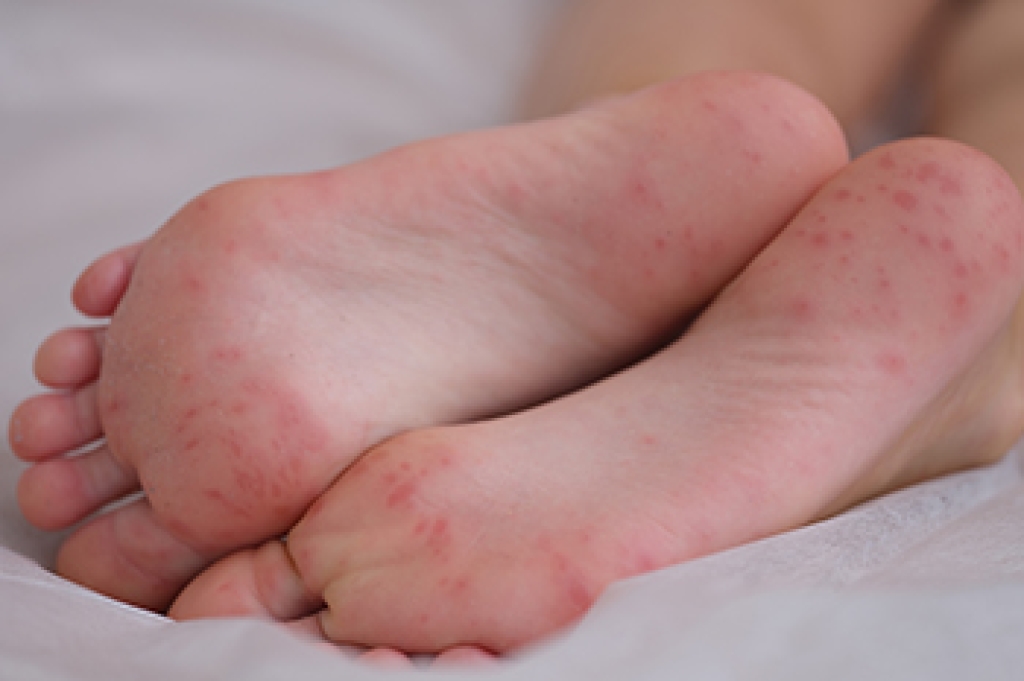
Read more about What to Do to Keep Your Child’s Feet Healthy
Advanced Podiatric Procedures & Services in the Burlington County, NJ: Marlton, Medford, Medford Lakes, Mount Laurel, Moorestown, Delran, Cinnaminson, Evesham Township, Camden County, NJ: Cherry Hill, Voorhees, Berlin, Haddonfield, Lawnside, Gloucester County, NJ: Washington Township, Deptford, Woodbury Heights areas
Vrunda Dalal, DPM